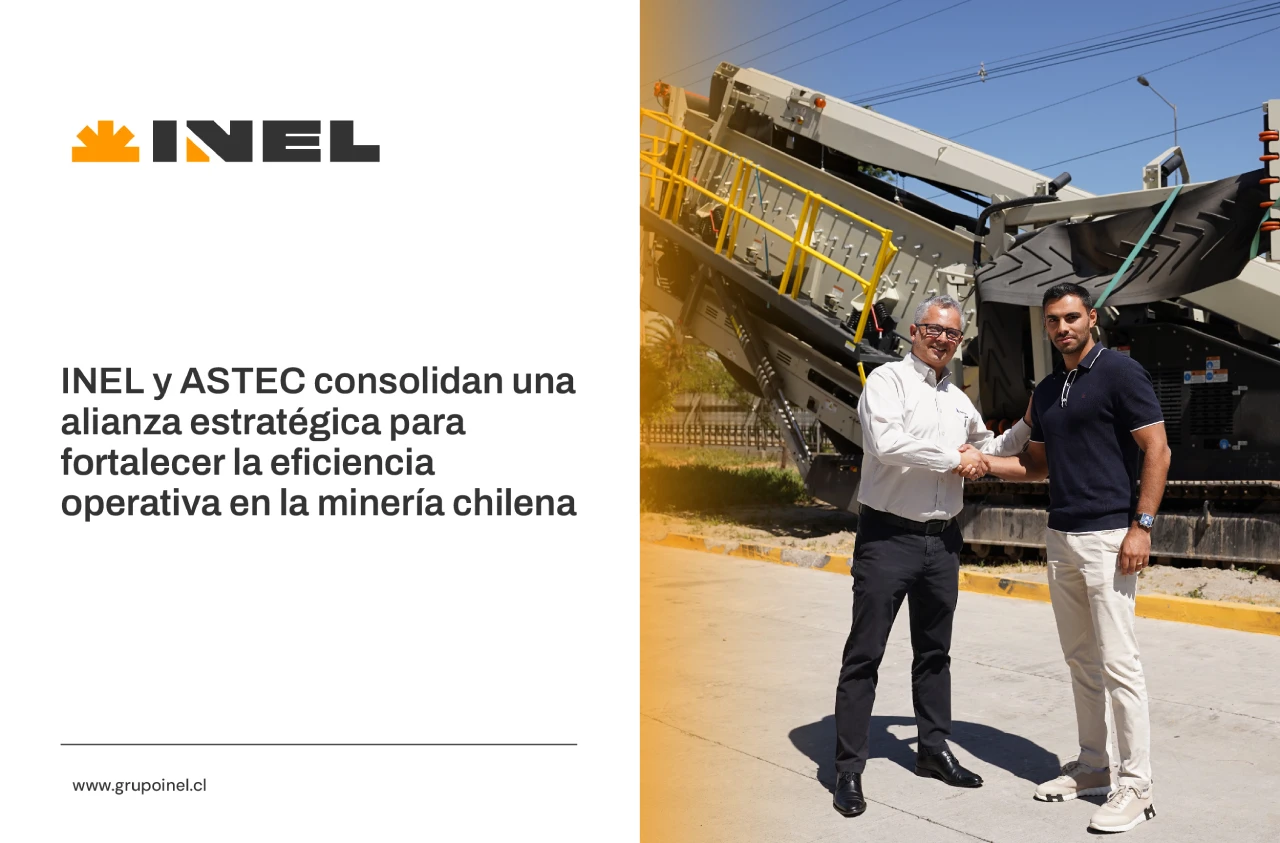
In today's dynamic mining landscape, efficiency, mobility, and the optimization of operating costs are critical to success. In this context, mobile crushing has emerged as a strategic solution, offering a versatility and speed of deployment that make it an ideal option for operations that demand agility and a fast technical rollout.
But is mobile crushing the definitive replacement for stationary crushing? In which scenarios does each one shine? Let's look at their strengths and drawbacks to help you make the best decision for your operation.
Mobile crushing: flexibility in motion
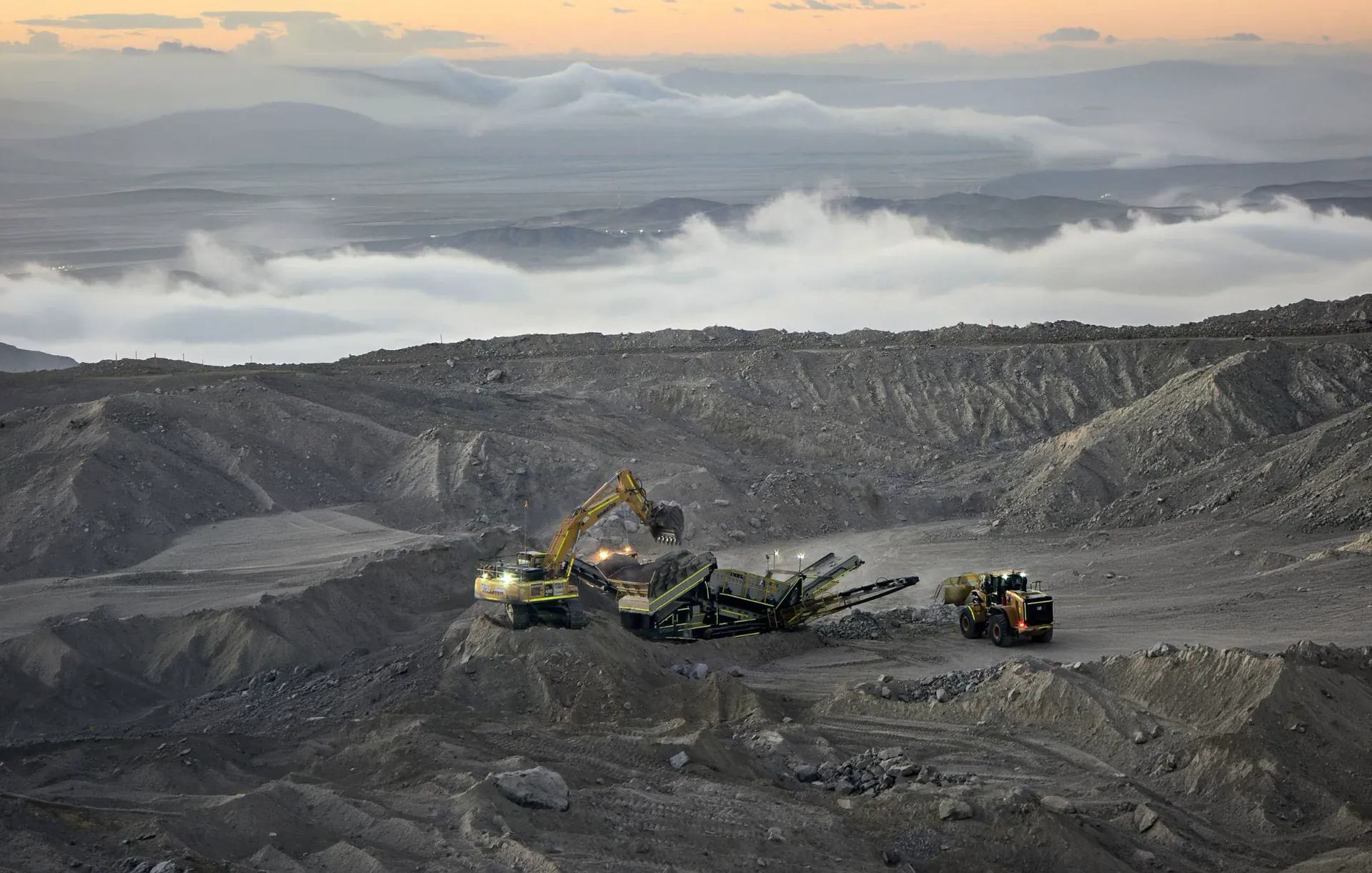
Mobile crushing is designed to operate at the pace and location of the mine's advance. These machines, mounted on tracks or wheels, can move easily, which significantly reduces the time and cost of transporting material from the working face to the processing plant.
They are the ideal choice for dynamic projects, deposits with scattered ore bodies, early stages of mining, or complex geographic conditions where fixed infrastructure is not viable or cost-effective.
Operational advantages:
- Real mobility: It moves easily within the pit or working face, following the ore extraction.
- Fast deployment: It does not require extensive civil works, which speeds up the start of operations.
- Lower transport costs: It minimizes fuel consumption by shortening internal haul distances.
- Optimized logistics: It improves logistics efficiency and response times when the operation changes.
- Lower environmental impact: Minimal ground disturbance means a smaller ecological footprint.
Important considerations:
- They generally do not reach the processing capacities of a large-scale stationary plant.
- They may require more frequent maintenance due to the wear inherent in constant movement.
- Ideal for medium-sized production or expanding projects, not for stable plants with very high tonnage.
Stationary crushing: continuity and volume over the long term
Historically, the stationary crusher has been the backbone of large-scale mining. These are robust plants, designed to operate at a strategic point and characterized by solid infrastructure, integrated processing lines, and a high degree of automation.
This system guarantees stability in high-volume processes and allows precise planning to maximize output per shift.
Key strengths:
- High, constant processing capacity: They offer uninterrupted, superior performance for large volumes.
- Lower operating cost per ton: In long-term operations, their efficiency translates into a lower unit cost.
- Ideal for established operations: Perfect for deposits with established haul routes and centralized ore.
- Integrated design: They allow complementary systems to be added, such as pre-screening, conveyor belts, and stockpiles.
Drawbacks to consider:
- They require long assembly times and significant civil works.
- They adapt poorly to unforeseen changes in the geometry of the deposit.
- They generate high logistics costs if the ore is far from the crushing point.
Which is the best solution for your operation?
The choice between mobile and stationary crushing does not have a single answer; it depends fundamentally on the type of project, its maturity, the geography of the terrain, and the overall operating strategy.
- If your operation is at an early stage, is located in a hard-to-reach area, or you need agility to advance on different fronts, mobile crushing offers a clear tactical advantage and unmatched flexibility.
- If your operation is high-tonnage, with a stable ore and a long-term mining horizon, stationary crushing will maximize efficiency and output per ton.
INEL: leaders in mobile crushing for large-scale mining
We understand the demands of the mining industry. We operate one of the most modern and complete fleets of mobile crushers in Chile, made up of jaw, impact, and cone units, complemented by high-performance screening plants. Our commitment is clear: to respond in the field, drastically reduce deployment times, and ensure operational continuity in the most challenging contexts.
With INEL, you choose mobility, leading-edge technology, and a real presence where mining happens.
INEL. Technology that moves. Results delivered.